E-commerce
Why Google Ads, Meta, GA4, and Shopify All Show Different Numbers
Four dashboards, four different revenue totals — none of them lying, all of them wrong differently. Why the numbers can never match, and which one to actually steer by.

PPC & Creative Strategist
Open your four dashboards for the same month and you'll see four realities: Meta claims ₱900K, Google Ads claims ₱600K, GA4 shows ₱1.1M total, and Shopify — the only one counting actual money — says ₱1.3M. Meta plus Google alone exceeds what some stores actually made.
Nobody is lying. Each system answers a different question with different rules, and the sooner you stop expecting them to match, the sooner you can make decisions with them. Here's what each number really means and which one deserves your trust.
TL;DR
What each system actually counts
Meta Ads Manager. Counts a conversion when someone who clicked (7-day default) or viewed (1-day) an ad converts — even if they arrived through Google search two days later. View-through credit especially inflates retargeting: your existing customers see ads in the feed, buy like they always would, and Meta takes the win.
Google Ads. Same self-grading, different windows, plus its own quirk: branded search. Someone who saw your product on TikTok, googled your brand name, and clicked the ad above your own organic listing counts as a Google Ads conversion — for a customer another channel created.
GA4. The closest thing to a referee: data-driven attribution across channels, so it splits credit instead of double-counting. But it's blind where cookies die — iOS, ad blockers, cross-device journeys — so it systematically under-reports paid social in particular. Neutral, and incomplete.
Shopify / your CRM. Counts orders and revenue — reality. But its "sales attributed to" reports use their own simplified logic, so treat Shopify as the authority on how much and a weak witness on why.
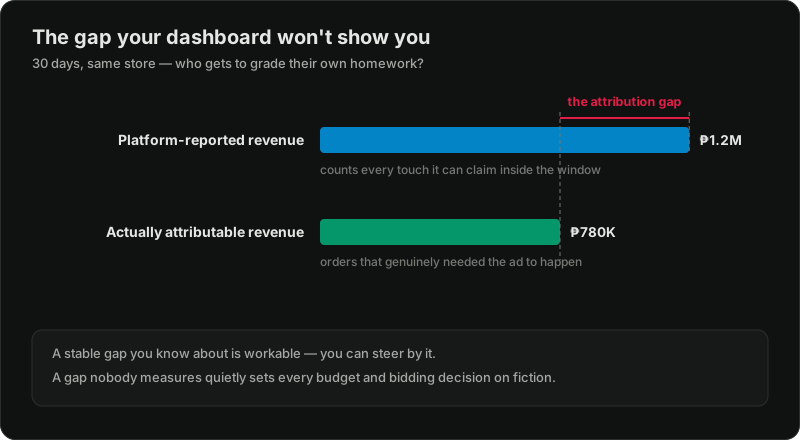
So: Meta + Google can exceed Shopify because both claimed the same orders; GA4 sits below the platforms because it splits credit and loses cookies. Every store shows this pattern. Yours isn't broken — it's typical.
Which number to steer by
Use each system for what it's structurally good at:
When the gap IS a problem
A stable gap is workable. These patterns mean something is actually broken:
Diagnosing which case you have is a tracking audit: duplicate events, missing CAPI deduplication, wrong conversion sources, consent configuration. The checks are in the Google Ads audit checklist and the Meta audit checklist, and the deeper setup work in ecommerce tracking setup.
The uncomfortable summary
Perfect attribution died with the third-party cookie, and every dashboard now shows you a confident estimate wearing the costume of a fact. The businesses that navigate this well don't chase reconciliation — they pick one commercial scoreboard (margin after ad spend, or cost per closed client), keep platform tracking clean enough to compare campaigns, and validate big decisions with real-world tests.
Want your numbers untangled?
Related reading:

Written by
Vince Servidad
PPC & Creative Strategist
I manage Google Ads and Meta Ads for ecommerce, healthcare, SaaS, events and nonprofits, with creative strategy, Shopify development and conversion tracking.